A Profile of Our Executive Chef Anibal Torres

the Social House

In the kitchens of The Social House Nairobi, precision and creativity move side by side. Service can be fast, intense, and demanding, yet behind the discipline is something deeply human: the simple joy of feeding people good food.
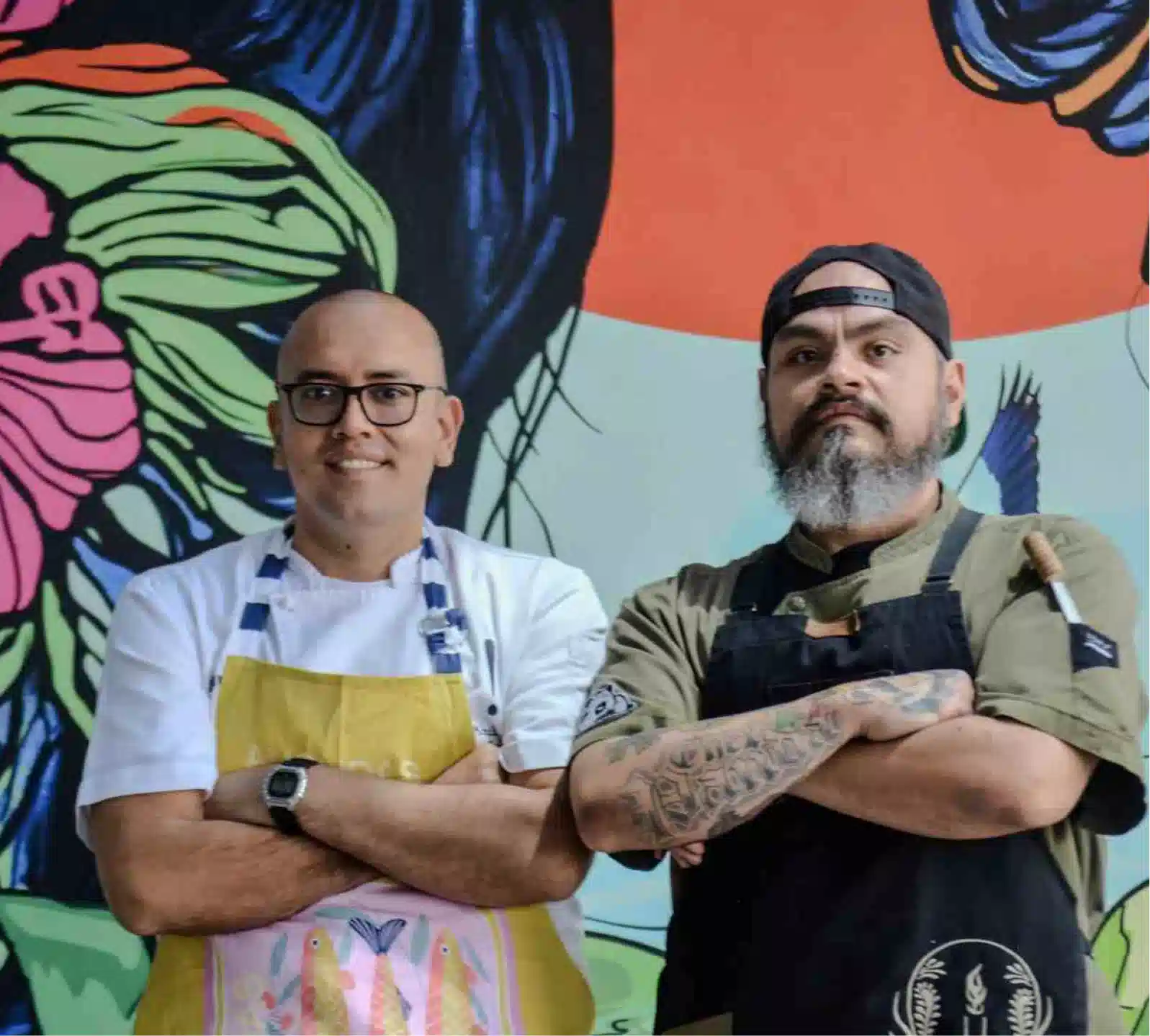
The simple joy of feeding people good food.
The simple joy of feeding people good food.

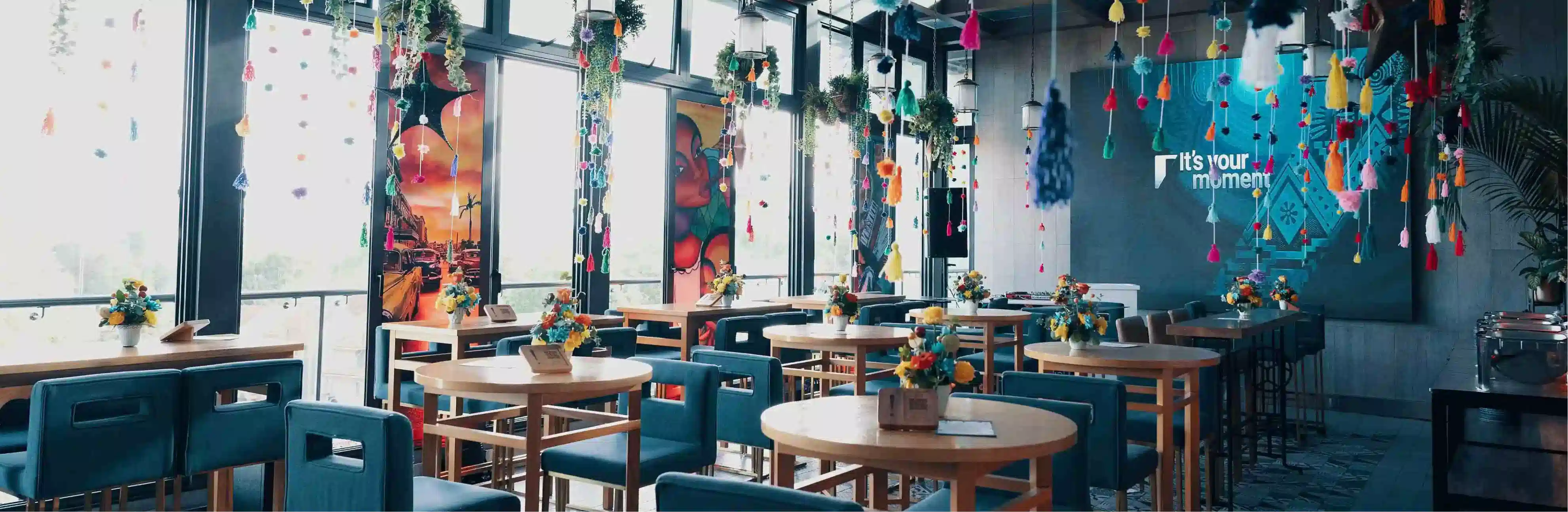
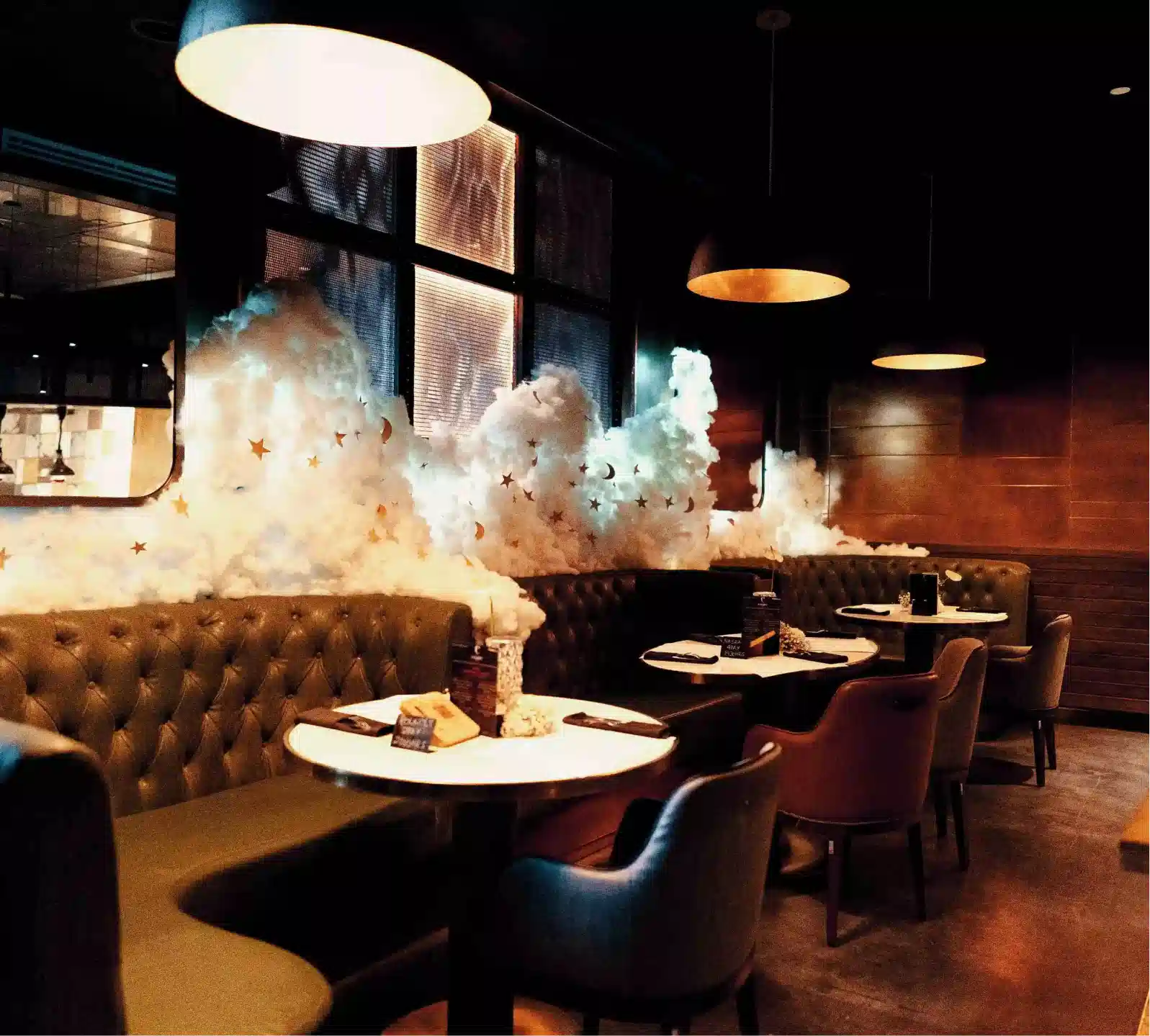
From June 27th to July 3rd, the House came alive with immersive experiences that blended comfort, creativity, and character. Our signature stance against "beige-ification" took center stage, every corner a statement, every detail intentional. Guests were invited into a space where a Harley Davidson casually floats above the lobby, and the rooms come equipped with SMEG fridges that are as stylish as they are functional, understated design details that quietly redefine what premium hospitality looks like. For Chef Anibal leading these kitchens and cooking has never been just a profession. It has always been about the culture and the feeling of a table full of people laughing together while sharing a hearty meal. And that story begins thousands of kilometres away in his homeland of Peru.
A Profile of Our Executive Chef Anibal Torres

The First Steps into the Kitchen

His journey into professional cooking began when he enrolled in culinary school. That was the moment he discovered that kitchens were not only creative spaces but they are well curated systems. Behind every dish there is organisation, timing, and teamwork. "The kitchen is very structured," he explains. "Almost like the military."
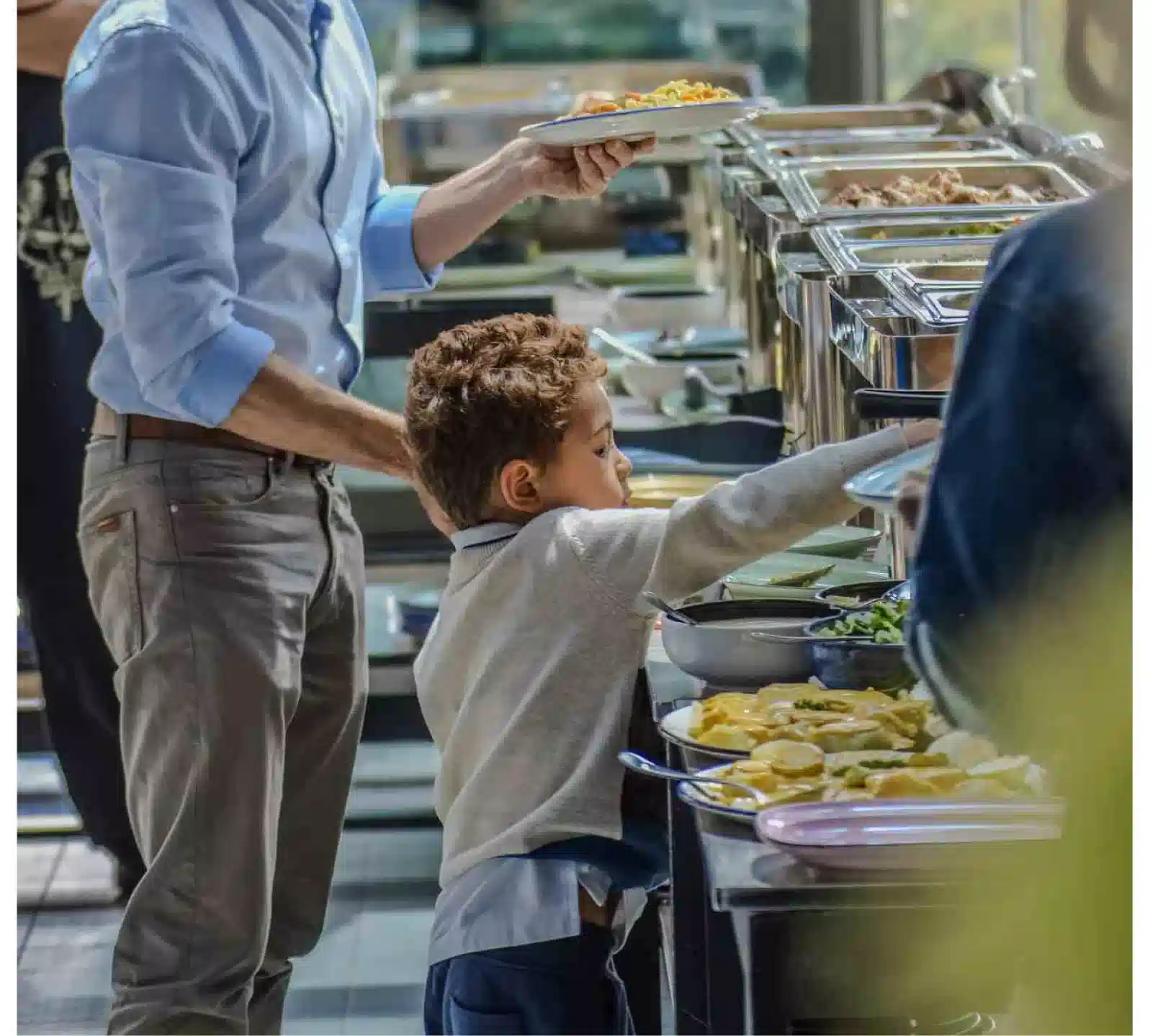
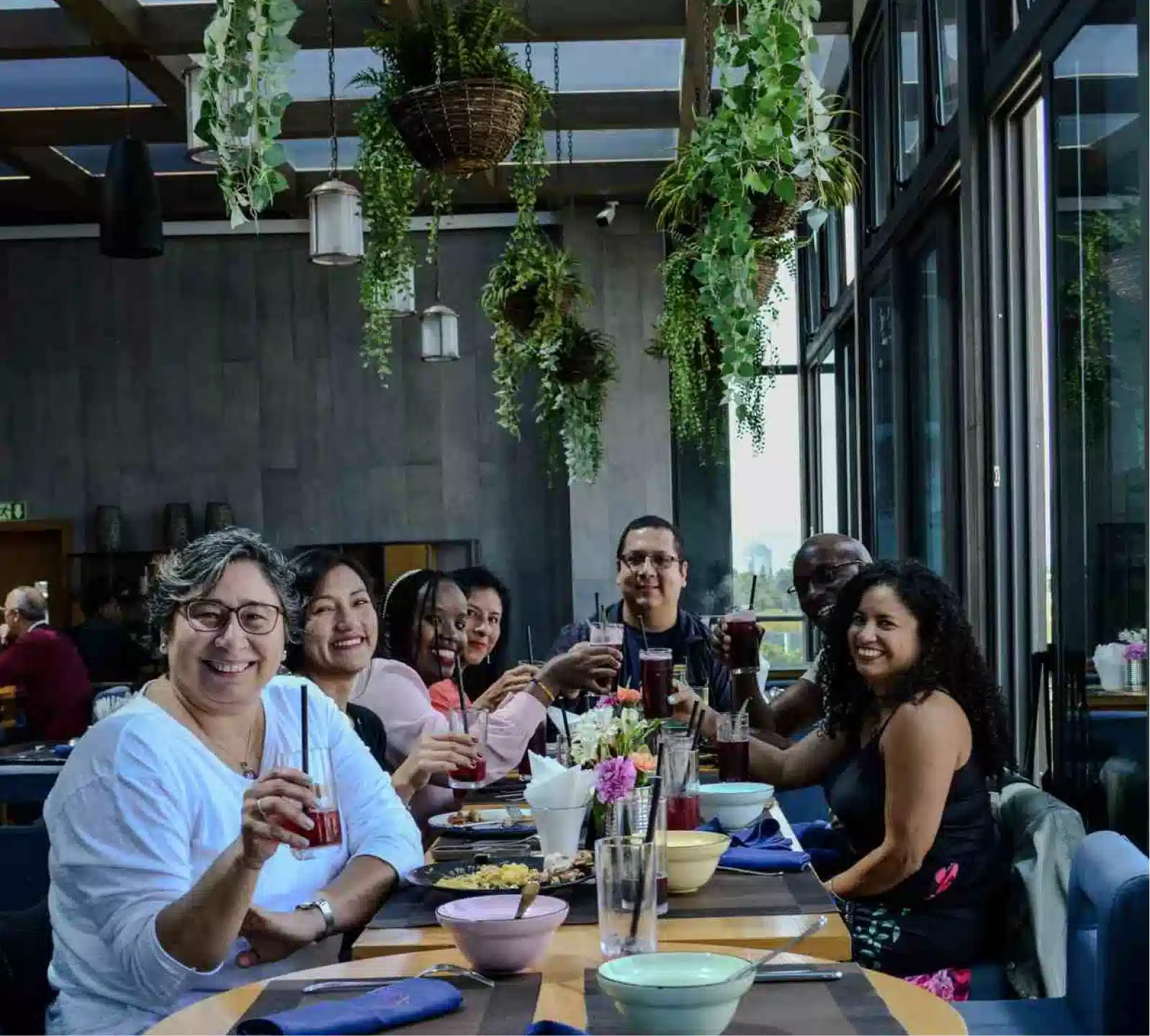
In Peru, food is not just something you eat it is something you talk about, debate about, and enjoy while you celebrate important mile stones in life. "Food in Peru is like politics or religion," the chef says. "People argue about it. They defend it. They are proud of it." Growing up, meals were always communal. When families celebrated something like building a house or marking an occasion food was always at the centre of it all. Tables were always full, kitchens were always busy, and people gathered for hours. "I remember big tables," he says. "A lot of food, a lot of people around, everyone laughing." At the time, he never imagined that food would become his career. "I just loved eating," he admits with a smile.
A Profile of Our Executive Chef Anibal Torres
The simple joy of feeding people good food.
The simple joy of feeding people good food.
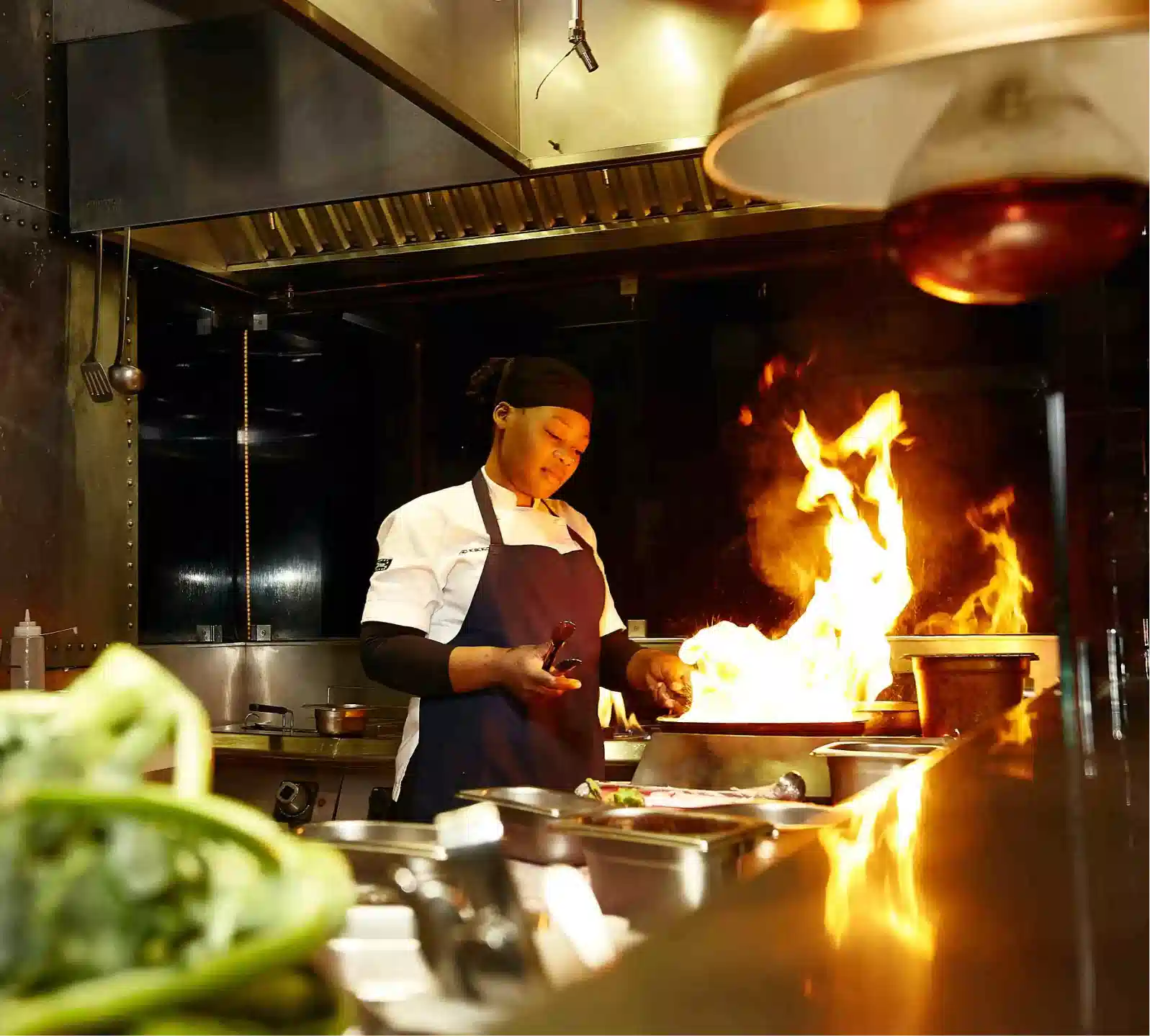
Coming from a family where some of his relatives served in the military, he recognised the discipline in the hierarchy, the coordination and the intensity. But there was something else that captured his attention. At 18, he entered his first professional kitchen as an intern. For the first two months, his tasks were simple: peeling potatoes and tomatoes. "I was standing there peeling vegetables," he remembers. "But from far away I could see the chefs cooking, organising everything, moving fast." Watching the choreography sparked something. "I remember thinking: one day I will be there." Nearly twenty years later, he has by far surpassed this dream by a far. Today, his role has shifted from cooking every dish to guiding an entire culinary operation. "Yet even within those realities, the chef still thrives on the energy of the kitchen. "I like the pressure," he says.
Running a kitchen is not only about flavour it is about leadership, responsibility, and numbers. "My job now is organisation," he says. "Delegating, making sure the team works well, and making sure the guests are happy." It is a balance between creativity and business. "I never liked numbers," he laughs. "But in hospitality, the first thing companies look at is numbers. When questioned what dish represents his identity the answer comes to him immediately. Ceviche! "As a Peruvian, ceviche is our flag." Bright, fresh, and vibrant, ceviche represents the heart of Peruvian cuisine No matter where he travels or works, it always brings him back home. "Ceviche in different countries is never exactly the same," he explains. "The lime is different. The fish is different." At The Social House, he insists on keeping the authenticity of the ceviche where he possibly can, He even goes as far as importing ingredients from Peru.
A Profile of Our Executive Chef Anibal Torres
The Art of the Ordinary

The Art of the Ordinary

While modern gastronomy often chases complexity, the chef believes the most powerful dishes are sometimes the simplest. "It is about interpretation," he says. "How you take something ordinary and make it extraordinary." A perfect example is a grilled chicken dish he introduced when The Social House first opened. Years later, it remains one of the most loved items on the menu. At first glance, it seems simple. "But food is not just the food," he explains. "It is how it arrives at the table. How it looks. How it feels." Hospitality is an experience and every detail matters. Creativity in the kitchen also means encouraging guests to explore new ingredients. At restaurants like Copper Restaurant at The Social House, he enjoys introducing dishes that might surprise people for example, grilled beef tongue, unusual cuts of meat like the heart, and Latin American flavours interpreted through a Nairobi lens. Sometimes guests hesitate. But once they try them, many are converted. "People think they won't like it," he says. "Then they taste it and they love it."

Growing Something New

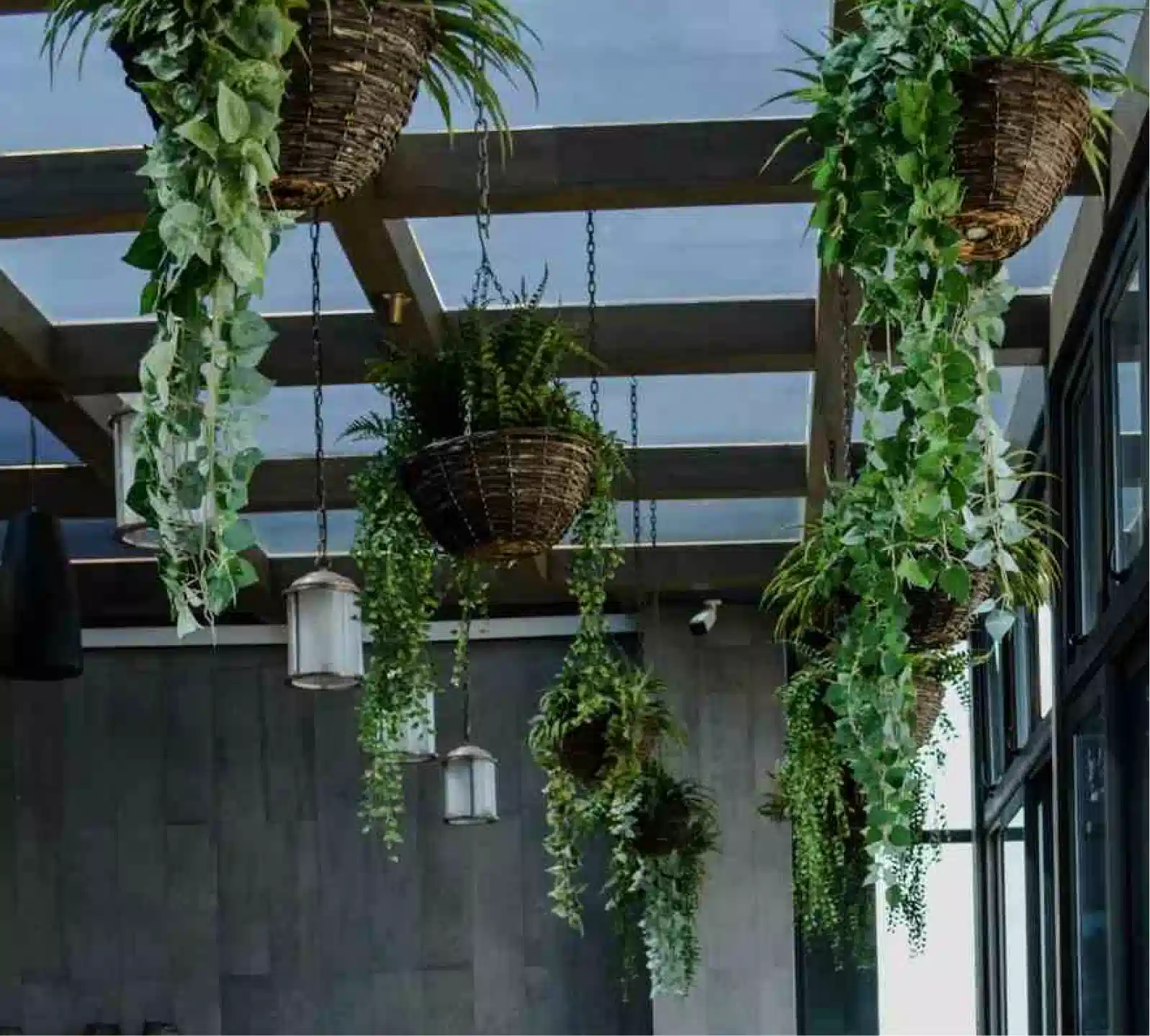
Lately, the chef has developed a new passion: plants. Across the property, herbs and decorative greens are becoming part of the culinary landscape. What began as a small initiative has grown into a larger vision of integrating gardens into the hotel environment. "I love planting things in the house," he says. For him, it connects guests more closely with the food they eat — reminding them that ingredients come from somewhere real.
Growing Something New
Three Things That Never Change

Three Things That Never Change

After nearly two decades in kitchens around the world, three principles remain constant.

Quality.

The ingredients must always be excellent.

Timing.

In the kitchen, seconds matter.

Identity.

A restaurant must keep its personality.

"You need to have your own voice," he says. The need of consistency and quality from recipes to ingredients are extremely important to the chef and the identity of his kitchen. He is never willing to compromise on them since they tend to affect the quality of his output. Here are some of the quick fire preferences from the chef.

Sweet or Savoury? Savoury.

Butter or Olive oil? Butter.

Truffles or Saffron? Saffron.

Gas Flame or Charcoal Flame? Charcoal.

Classic or Experimental? Experimental.

Morning prep or late night service? Morning prep.

Okay. Thank you so much. Have a lovely evening.